บทที่ 2: The Data Engineering Lifecycle: หัวใจของหนังสือทั้งเล่ม
5 min read5 Stages ของ Data Engineering Lifecycle
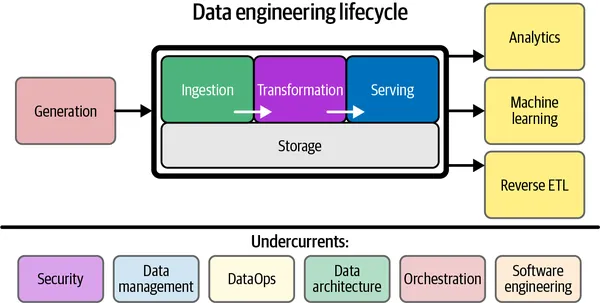 Figure 2-1. Components and undercurrents of the data engineering lifecycle. ภาพต้นฉบับจากหนังสือ แสดง 5 stages (แถวบน) วางอยู่บน undercurrents (แถวล่าง)
6 undercurrents (Security, Data Management, DataOps, Architecture, Orchestration, Software Engineering) แทรกซึมทุก stage ของ lifecycle ไม่ใช่แค่ step เดียว
Data Lifecycle vs Data Engineering Lifecycle: Data engineering lifecycle เป็นแค่ subset ของ data lifecycle ทั้งหมด (data lifecycle ครอบคลุมข้อมูลตลอดอายุขัย ทั้งใน source system ก่อนที่ data engineer จะแตะต้อง ไปจนถึงหลังจากถูกใช้งานแล้ว) ในขณะที่ data engineering lifecycle โฟกัสเฉพาะ stages ที่ data engineer ควบคุมได้จริง
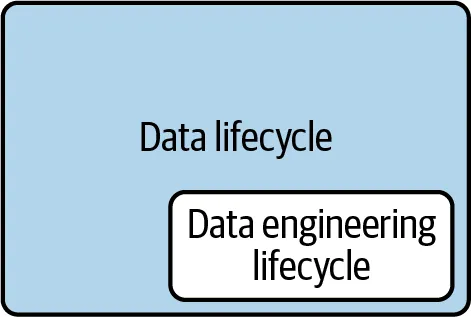 Figure 2-2. The data engineering lifecycle is a subset of the full data lifecycle
1. Generation (Source Systems)
จุดเริ่มต้น: ที่ที่ข้อมูลถูกสร้างขึ้น data engineer ไม่ได้ควบคุม source systems แต่ต้องเข้าใจมันอย่างลึกซึ้ง
สิ่งที่ต้องประเมินทุก source system:
- Rate & volume: events/sec, GB/hr
- Consistency & errors: nulls, duplicates, bad formatting, late-arriving data
- Schema: schemaless (app-defined) หรือ fixed-schema (relational)? Schemas เปลี่ยนเสมอ
- Impact of reading: การ query source production DB เพื่อ ingestion จะ degrade performance หรือไม่?
- CDC (Change Data Capture, การจับการเปลี่ยนแปลง) vs snapshots: full snapshots หรือ streaming change events?
2. Storage
Storage แทรกอยู่ทุก stage ของ lifecycle ไม่ใช่แค่ขั้นตอนเดียว และส่วนใหญ่ใช้หลาย storage solutions พร้อมกัน
Key considerations:
- Data temperature: hot (หลายครั้ง/วัน), lukewarm (เดือนละครั้ง), cold (archival)
- Query capability: pure storage (S3) vs storage with compute (Snowflake)
- Schema flexibility: schema-agnostic (object storage) → enforced schema (warehouse)
- Metadata capture: การลงทุนกับ metadata คือการลงทุนกับอนาคต เช่น lineage, schema evolution
- อย่า commit "unnatural acts" เช่น random access updates บน object storage
3. Ingestion
จุดที่ ปวดหัวที่สุด ใน lifecycle: source systems อยู่นอกเหนือ control, data มาไม่ตรงเวลา, quality ห่วย
Batch vs Streaming:
- "All data is inherently streaming": batch คือการประมวลผล stream ใน chunks
- Streaming-first เซ็กซี่ แต่มี trade-offs: downstream รับ rate ได้ไหม? คุ้มค่าไหม?
- อย่าใช้ streaming จนกว่าจะมี business use case ที่ justify trade-offs
Push vs Pull:
- Push: source system เขียนข้อมูลออกไปหา target
- Pull: ingestion system query source
- จริงๆแล้วส่วนใหญ่ผสมกันทั้ง push และ pull ผ่าน stages ต่างๆ
4. Transformation
จุดที่ข้อมูลเริ่ม สร้างคุณค่า raw data เฉื่อยชาจนกว่าจะถูก transform
ลำดับการ transform:
- Post-ingestion: map types, standardize formats, drop bad records
- Schema transformation: normalization, restructuring
- Business logic: apply domain rules (กำไร = รายได้ - ต้นทุน - marketing)
- Aggregation & featurization: สำหรับ reporting หรือ ML
Key insight: Transformation เกิดขึ้น ทุกที่ ไม่ใช่แค่ stage เดียว: ใน-flight, ใน warehouse, ใน stream
5. Serving Data
จุดจ่ายของ: ถ้าไม่มีคนใช้ data = data vanity project
3 major use cases:
- Analytics: BI (อดีต/ปัจจุบัน), Operational analytics (ปัจจุบัน real-time), Embedded analytics (customer-facing → multitenancy สำคัญมาก)
- ML: feature engineering, feature stores, training pipelines. อย่าเพิ่งทำ ML จนกว่าจะมี data foundation ที่ดี
- Reverse ETL: ส่งข้อมูลที่ transform แล้ว กลับไป ยัง source systems (CRM, ad platforms) จากที่เคยเป็น antipattern กลายเป็น product category ใหม่
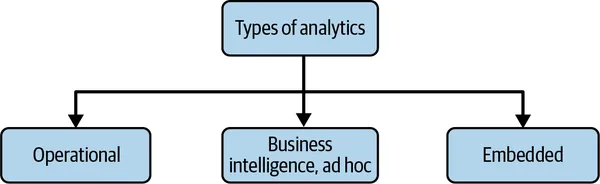 Figure 2-5. Types of analytics: Operational, BI/ad hoc, Embedded
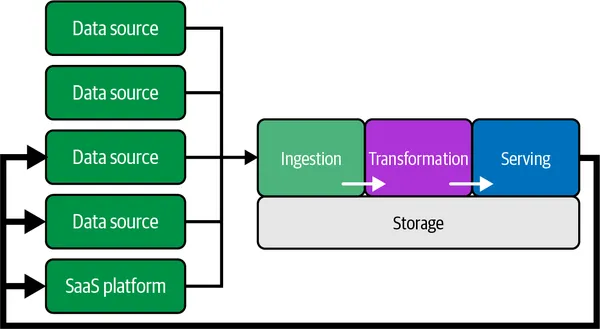 Figure 2-6. Reverse ETL: ผลลัพธ์จาก data warehouse ถูกส่งย้อนกลับเข้า source systems
6 Undercurrents (กระแสที่แทรกทุก Stage)
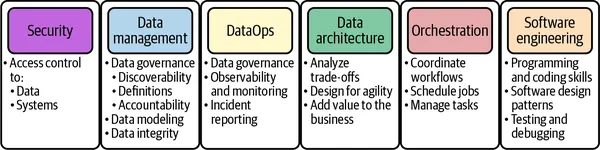 Figure 2-7. The major undercurrents of data engineering: สรุปประเด็นย่อยของแต่ละ undercurrent
1. Security
- Principle of least privilege: ให้ access เท่าที่จำเป็น แค่เวลาที่จำเป็น
- จุดอ่อนที่สุดคือ คนและวัฒนธรรมองค์กร ไม่ใช่เทคโนโลยี
- Encryption ทั้ง at rest (ตอนจัดเก็บ) และ in transit (ตอนส่ง), IAM (Identity and Access Management), network security
2. Data Management
- Data Governance: discoverability, accountability, security
- Metadata 4 ประเภท:
- Business metadata: อะไรคือ "customer"?
- Technical metadata: schema, lineage, pipeline configs
- Operational metadata: job logs, error logs
- Reference metadata: country codes, units of measurement
- Data Quality 3 เสา: accuracy, completeness, timeliness
- Master Data Management (MDM): golden records, entity definitions ที่ consistent ทั้งองค์กร
- Data Lineage: audit trail, data มาจากไหน ผ่านอะไรไปบ้าง
- Ethics & Privacy: PII masking (Personally Identifiable Information, ปกปิดข้อมูลส่วนบุคคล), bias tracking, GDPR (General Data Protection Regulation, กฎหมายคุ้มครองข้อมูล EU)/CCPA (California Consumer Privacy Act) compliance
3. DataOps
DevOps สำหรับ data: 3 เสาหลัก
Automation: cron → orchestration (Airflow/Dagster) → CI/CD (Continuous Integration/Continuous Deployment) → automated deployment Observability & Monitoring: "Data is a silent killer": bad data อยู่เป็นเดือนโดยไม่มีใครรู้ Incident Response: หา problems ก่อน business report ด้วย blameless postmortems
4. Data Architecture
เข้าใจ business needs → translate เป็น requirements → design systems balanced for cost, simplicity, scale
5. Orchestration
ไม่ใช่แค่ scheduler: orchestration เข้าใจ dependencies ผ่าน DAGs (Directed Acyclic Graph, กราฟไร้วงจรที่บอกลำดับงาน)
- Kick off tasks เมื่อ upstream complete ไม่ใช่ fixed time
- Monitor external systems, set error conditions, alerting
- Backfill historical runs
- Orchestration คือ batch concept ส่วน streaming มี streaming DAGs (Directed Acyclic Graphs) ซึ่งสร้างยากกว่า
6. Software Engineering
Despite abstraction, data engineers ยังต้องเขียน code แค่เปลี่ยนประเภท:
- Core data processing (Spark, SQL, Beam)
- Open source framework contribution
- Streaming: inherently ซับซ้อนกว่า batch
- Infrastructure as code (Terraform, Helm)
- Pipelines as code (Airflow DAGs, Directed Acyclic Graphs)
- General problem solving: tools ไม่มี connector, ต้อง custom